À propos de nous
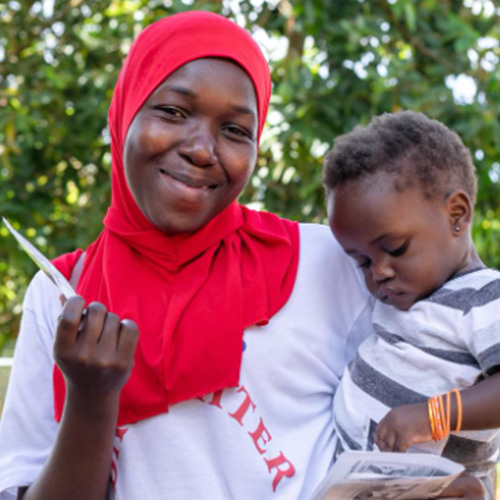
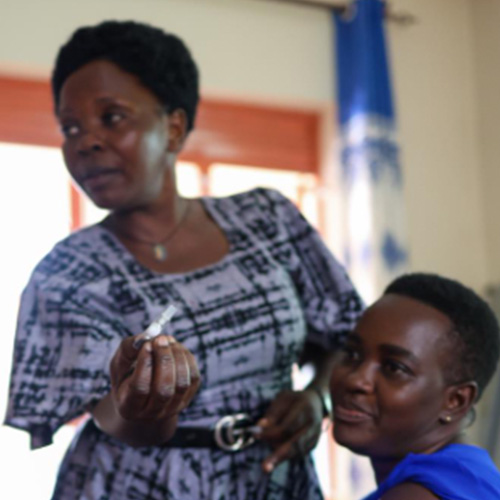
DISC is a project that supports women to assume greater power and control over their sexual and reproductive health by using contraceptive self-care methods like self-inject—which can help her to achieve her life goals by delaying or preventing pregnancy if she so chooses. Now in its second phase, supported by the Gates Foundation and an additional funder, and in partnership with Ministries of Health, healthcare provider networks, and other key stakeholders, we are integrating self-care methods into health systems, bringing care closer to consumers, and amplifying their voice, choice and agency.
Active since 2020, DISC currently works in Nigeria, Uganda, Malawi, Zambia, Mozambique, Kenya, Pakistan, and Ethiopia via a consortium model, in collaboration with local and global family planning stakeholders.
“La santé pour tous passe par l'éducation et l'autonomisation des personnes afin qu'elles deviennent des décideurs actifs de leur propre santé. C'est la raison d'être de l'autosoin”.”
— Dr. Tedros Adhanom Ghebreyesus
Director General of the World Health Organization
Les femmes méritent Plus d'informations
Aujourd'hui, plus de 218 millions de femmes en âge de procréer dans les pays à revenu faible et intermédiaire (PRFI) qui souhaitent éviter une grossesse, sont en train de se faire vacciner. n'utilisent pas de contraceptifs modernes. Chaque année, 111 millions de grossesses non désirées surviennent dans les PRFM, ce qui représente 49% de toutes les grossesses dans ces pays, dont l'Afrique subsaharienne. On sait que les options contraceptives limitées et les obstacles à l'accès augmentent considérablement le risque pour les femmes de souffrir de complications liées à la santé maternelle et d'avortements non médicalisés. Les méthodes d'autogestion de la santé telles que les contraceptifs auto-injectables, qui offrent aux femmes un meilleur contrôle, une plus grande commodité et la possibilité de les utiliser discrètement, peuvent contribuer à changer cette situation.
CONTRACEPTIVE
SELF-INJECTION IS
A GAME-CHANGER
Quick facts about
CONTRACEPTIVE SELF-INJECTION
20
INTRODUIT
2o YEARS AGO
75
APPROVED IN NEARLY 75 COUNTRIES
?
Yet, a majority of DMPA-SC units are still provider-administered, with the self-inject option not being consistently offered to women
L'INTÉGRATION DE L'AUTOSOIN
dans les systèmes de santé
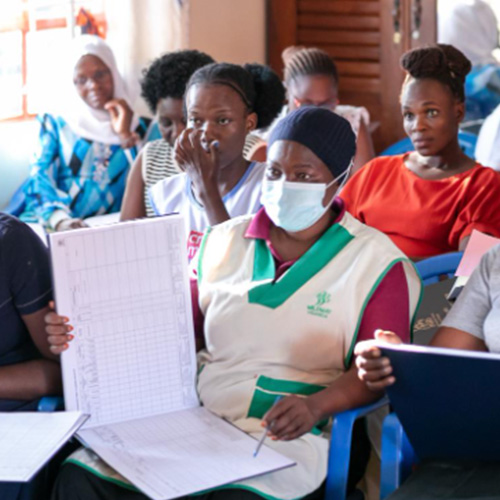
In partnership with the Self-Care Trailblazers Group, the DISC initiative has supported Ministries of Health to develop national self-care guidelines aligned with WHO recommendations. This includes support for Nigeria’s take-home dose policy, incorporation of the empathy-based self-inject curriculum into Uganda’s national DMPA-SC training, and the 2024 finalization of a Memorandum of Understanding (MoU) in Malawi enabling self-injection services in eligible private sector entities. DISC strengthens health system performance by supporting supply chain management, training healthcare providers, and enhancing data reporting systems to sustainably expand the contraceptive method mix.
Partners & Stakeholders
Membres du consortium
- Society for Family Health (SFH) Nigeria
- Marie Stopes Reproductive Choices
- Jhpiego
- Family Health Services (FHS)
- Amref Health Africa
- Family Planning Association of Malawi (FPAM)
- Pathfinder
- InSupply
- Population Services Kenya
- Viya Health
- AMOG
- Coalizão
Principaux collaborateurs
- Ministère de la santé Ouganda
- Ministère de la santé Nigeria
- Ministry of Health Malawi
- Ministry of Health Zambia
- Ministry of Health Pakistan
- Ministry of Health Mozambique
- Ministries of Health Kenya
- Ministries of Health Ethiopia
- The Injectables Access Collaborative
- Self Care Trailblazers Group (SCTG)
- Viamo
Partenaires Scaleup
Adolescents 360 project (A360)