By Zamzam Arale Hassan, Temporary Research, Documentation and Learning Lead, PSI SOM; Abdullahi Kheire, Field Manager, Health Services & Quality Improvement, PSI SOM; Abdullahi Ibrahim Abdilatif, Monitoring and Evaluation Specialist, PSI SOM
In Baidoa, Somalia, the Marwo Caafimaad program bridges the gap between traditional practices and modern healthcare.
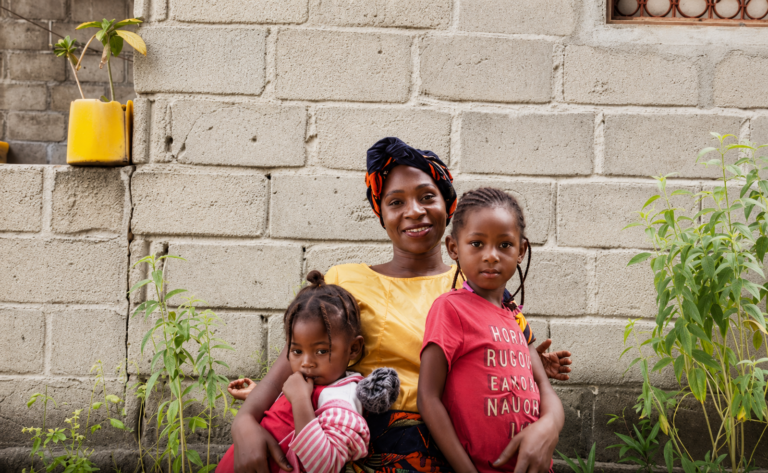
Seven years ago, Ruweyda Mohamed Nur, accompanied by her two sons and two daughters, undertook the challenging journey from Mooriwaraabi to Baidoa, seeking refuge from persistent droughts and insecurity that destroyed her home. Steeped in the rural traditions of her forebears, the concept of giving birth in a hospital was unfamiliar and met with distrust. However, Ruweyda’s story becomes one of transformation with the arrival of Fartun Mohamed Adan, a dedicated health worker from the Marwo Caafimaad program.
In collaboration with the Federal Government of Somalia and Federal Member States, Population Services International offers technical support and capacity building to the program to bolster implementation, monitoring, and quality of community health service delivery. With the goal of enhancing maternal and child health, the program supports 1,168 health workers and 76 health supervisors.
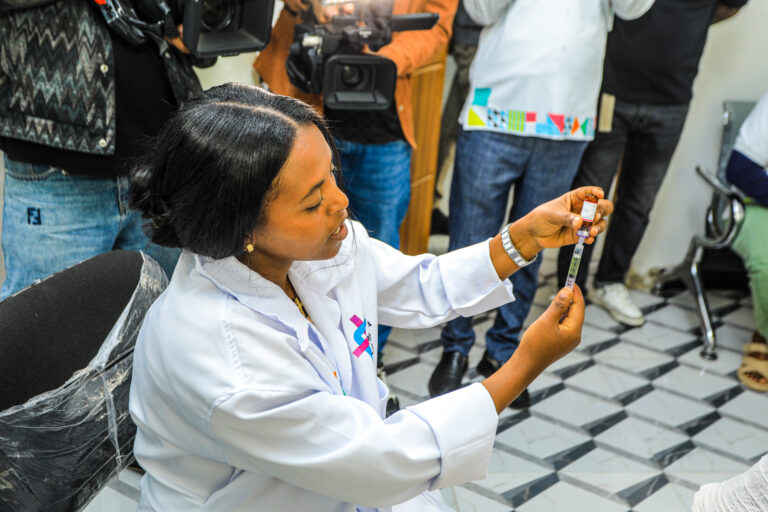
Tasked with bringing essential health services and education to the households of Idaada Village, Fartun bridges the gap between traditional practices and modern healthcare. Despite Ruweyda’s initial resistance rooted in cultural beliefs and skepticism towards hospital care, she was met with patience and persistence by Fartun. Leveraging her comprehensive 90-day training provided by the Ministry of Health (MoH) and a deep understanding of the community, Fartun gently dismantled the barriers of doubt, earning Ruweyda’s trust with her MoH identity card and a heartfelt introduction to the Marwo Caafimaad program.

With Fartun’s guidance, Ruweyda gained invaluable health education, learning about concepts like antenatal care (ANC) and the benefits of delivering at a health centre. Supported by the Marwo Caafimaad program, Ruweyda’s pregnancy with her youngest child, Munasar, was significantly less challenging.
“Fartun has become more than just a health worker to me; she’s a friend whom l trust,” Ruweyda shares, her voice a mix of gratitude and strength.
Reflecting on her journey, Ruweyda contrasts her past difficult deliveries with the newfound knowledge acquired under Fartun’s guidance. Her gratitude towards Fartun and the healthcare system signifies a shift in perspective, marking a departure from tradition towards informed health practices. With the birth of her son, Ruweyda emerges as a healthcare advocate within her community. Her transformation from a sceptic to a champion of professional maternal care serves as a testament to the power of health literacy and empathy. Encouraging other mothers to seek care at health centers, Ruweyda stands as a beacon of change, embodying the impact of the program beyond her own family.
Ruweyda’s story serves as a reminder of the challenges faced by women in regions like Baidoa and the transformative power of healthcare initiatives like those of the Marwo Caafimaad program. Through Ruweyda’s eyes, we see the beginning of a new era in Baidoa—one where knowledge replaces fear, and where every mother’s story can have a hopeful ending.