Every woman deserves the ability to make informed decisions about her reproductive health and the contraceptive options that meet her needs. In sub-Saharan Africa and South Asia, injectable contraception is the most popular form of contraception, valued for its effectiveness and discretion. But for many women, it has come with a cost: organizing life around a clinic visit every three months.
The appointments can require hours of travel, transportation costs, and time away from work or caregiving responsibilities. For women living far from health facilities—or balancing busy schedules—staying consistent with contraception is not always easy.
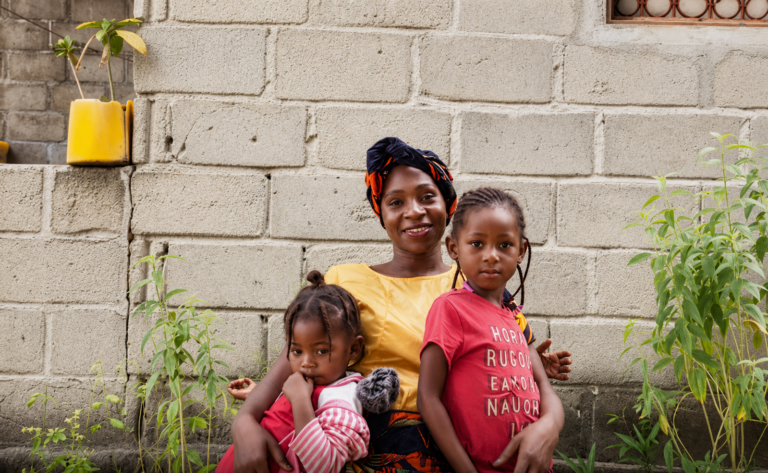
Maria, a teacher and mother of three in Mozambique, knows that challenge well. That’s why she opted for self-inject contraception. “I decided to choose this method because it’s convenient and safe,” she said. “Since I started using self-injection, I have more freedom to take care of myself, my family, and my work.”
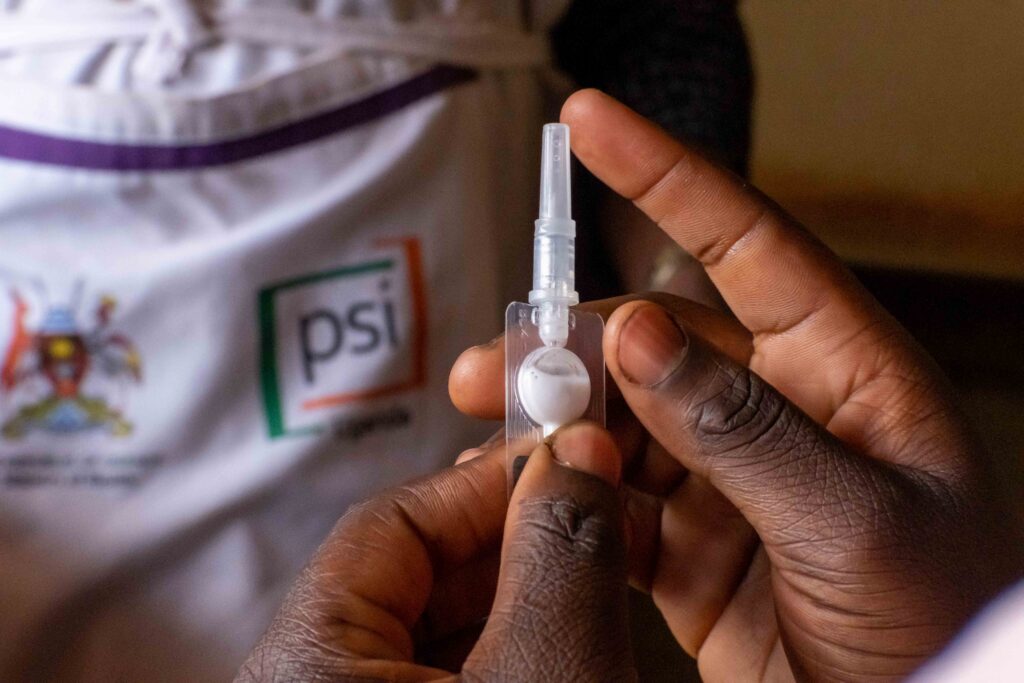
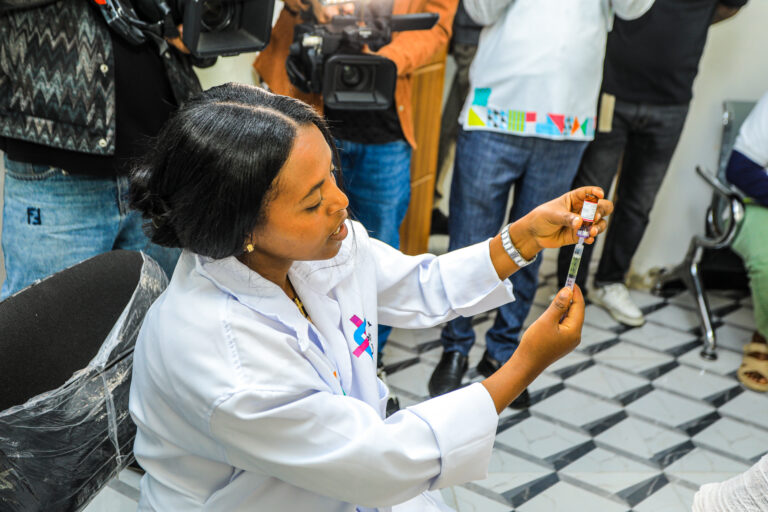
Self-injectable contraception is transformative for many women. Unlike traditional injectable contraceptives administered by providers at clinics, the self-injectable form of the contraceptive DMPA-SC allows women to administer the injection themselves at home. After receiving training from a health provider, women can take home multiple doses, allowing up to a full year of contraceptive protection from a single clinic visit. For many users, the method is also less intimidating and less painful than traditional intramuscular injections because it uses a smaller needle and lower hormone dose.
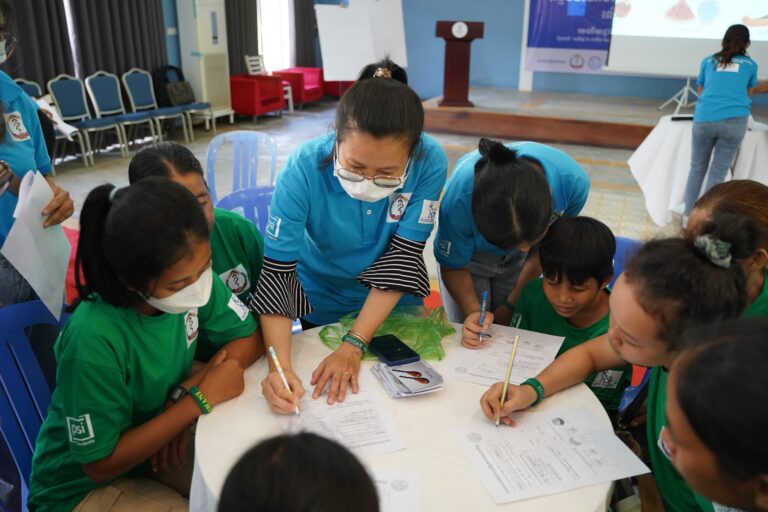
PSI’s Delivering Innovation in Self-Care (DISC) project has worked with governments, providers, communities, and health systems to expand access to self-injection across nine countries in sub-Saharan Africa and South Asia. Funded by the Gates Foundation, DISC supports countries in building sustainable markets for self-injectable contraception, helping ensure that women can reliably access the method as part of routine family planning services.
Making self-injection available to all every woman that needs it goes far beyond just introducing the product. Misconceptions, provider hesitancy, limited awareness, commodity shortages, and inconsistent health system reporting systems prevent many women from accessing self-inject.
The DISC project combines community engagement, provider mentorship, and health system strengthening to make self-injection easier to access and use.
Through media campaigns and local outreach, DISC helps women learn about self-injection and dispel myths surrounding contraceptive use to increase demand. The project also facilitates empathy-based training and mentorship for healthcare providers designed to build confidence in teaching women how to self-inject safely and independently.
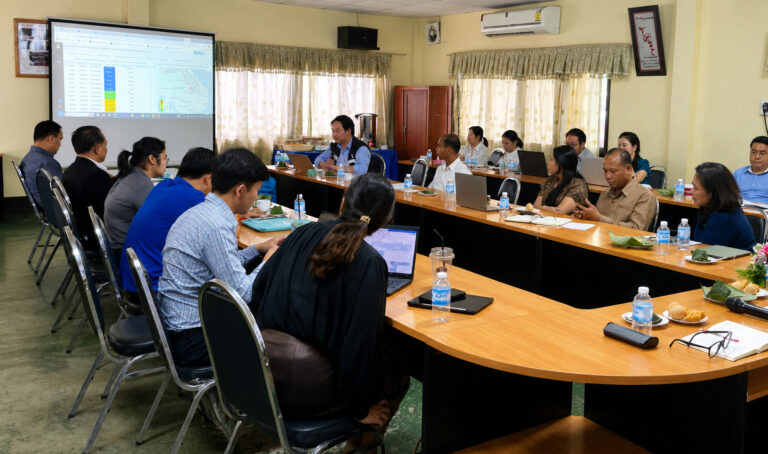
DISC also works behind the scenes to strengthen supply chains and improve data systems so facilities are more likely to have products available when women need them.
Together, these efforts are helping normalize self-injection as a mainstream family planning option and give women contraception choices that support their lives and futures.
Since 2020, DISC has supported nearly 8,500 health facilities and delivered more than 4 million self-injection visits—each one capable of deliver a year’s worth of SI contraception to the user—across DRC, Ethiopia, Kenya, Malawi, Mozambique, Nigeria, Pakistan, Uganda, and Zambia. This demonstrates both large-scale demand and growing health system capacity to support women’s contraceptive choice.
Importantly, the model has become increasingly cost-efficient over time as countries scale implementation and integrate self-injection into existing health systems.
For women like Maria, however, the impact is measured less in numbers than in the choices she gets to make for herself and her family’s future.
“I only go to the hospital once a year,” she explained. “Now I have more time for my family, my friends, and my work. It’s a method that’s worth it.”
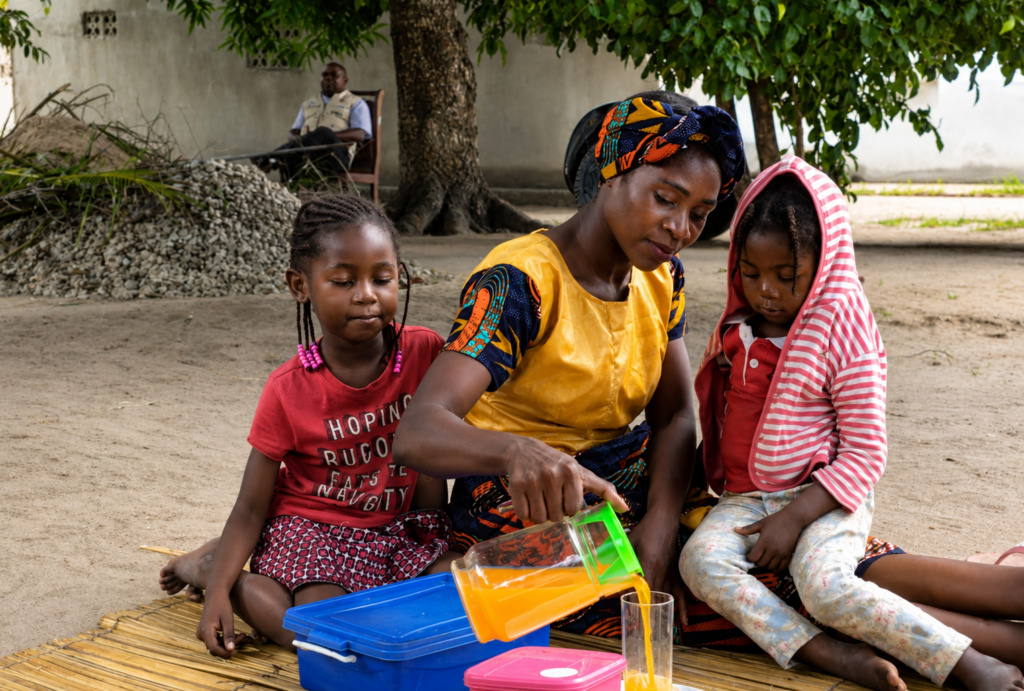
Photo credit: PSI Mozambique
DISC’s experience demonstrates how market shaping can do more than expand access to a product, it can expand women’s ability to make contraceptive decisions on their own terms. By strengthening systems while centering women’s needs and preferences, self-injection is becoming not just an innovation, but a sustainable and empowering option for millions of women.