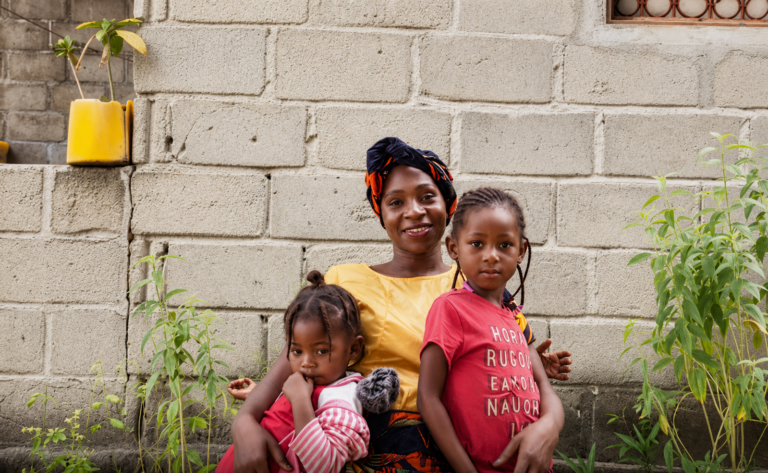
In Garowe and Burtinle, many families had long relied on untreated borehole water for drinking, cooking, and washing. Life threatening outbreaks of diarrheal disease were common, especially among children, and cholera remained a recurring threat.
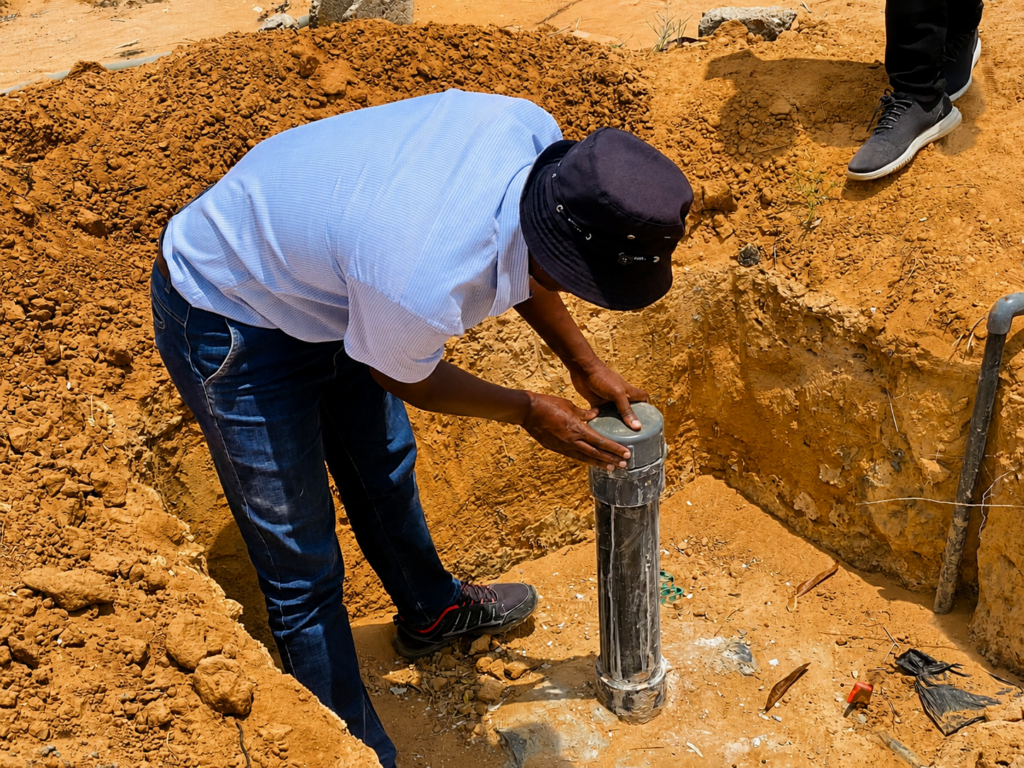
With support from GiveWell, PSI-SOM is installing 30 in-line chlorination devices across priority boreholes in two districts, reaching an estimated 260,000 people with safe water. Before in-line chlorination, the responsibility of safe water fell on individual households, who were encouraged to buy their own chlorine products. Communities rarely adopted household chlorine products at scale, and households that did rarely used the products consistently. In-line chlorination removes that barrier entirely, treating water at the source so that full communities have access to clean water in a cost-effective, scalable, and sustainable way.
But when PSI-SOM introduced in-line chlorination systems to local water points, some community members were initially unsure about the taste and safety of chlorinated water.
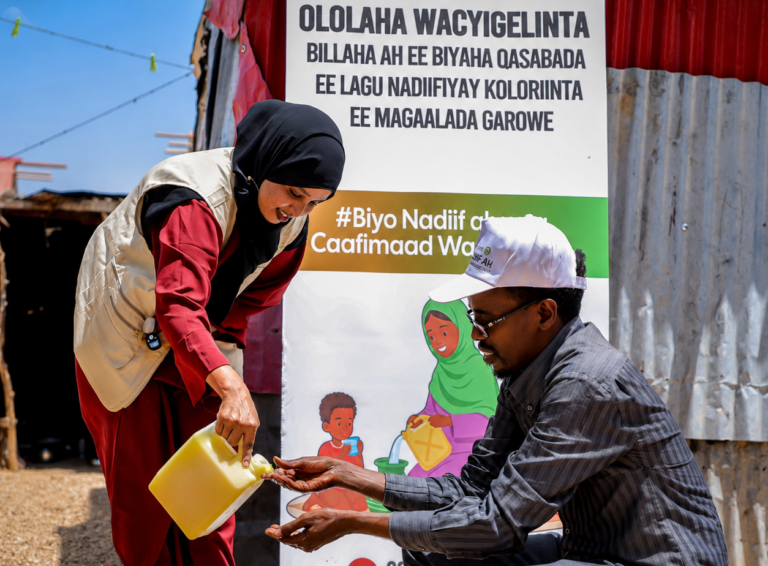
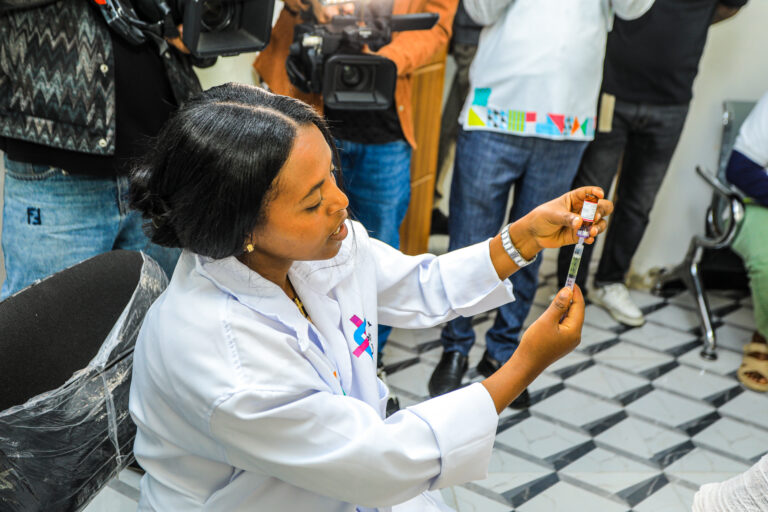
That’s where health workers became essential. PSI-SOM had previously trained a network of female health workers to strengthen the health system and improve community access to care, and when the new water system arrived, that network became a critical bridge. Already trusted as reliable health resources in their communities, PSI-SOM supported the female health workers to go door to door explaining how chlorination works, addressing misconceptions, and helping families understand why treating water at the source could prevent disease.
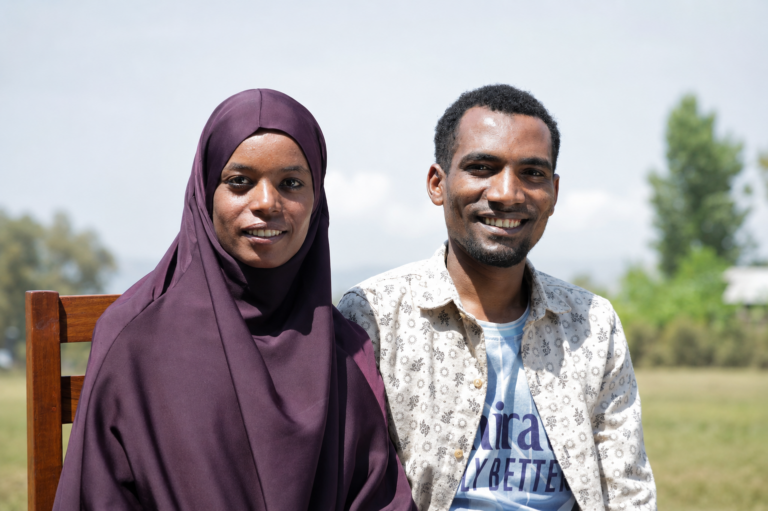
Over time, attitudes began to shift. Families who had once hesitated to drink chlorinated water started accepting it as part of daily life. Health workers also noticed fewer complaints of diarrheal illness during household visits.
The numbers tell the same story. Compared to the six months before in-line chlorination systems were installed, rates of water-related diseases dropped by more than 66 percent. Mohamud Mohamed Aw-Adan, the District Health Coordinator in Burtinle, put it plainly: “One of the major contributing factors to diarrheal diseases was the consumption of unchlorinated water, combined with limited hygiene awareness. The PSI pilot project helped address these existing gaps through water chlorination and hygiene promotion activities.”
For many residents, the change was practical as much as medical. Previously, households were expected to treat water themselves using chlorine products—a practice that was difficult to sustain consistently. Now, water arrives already treated at the source, removing one more burden from families already facing displacement, financial strain, and limited access to healthcare.
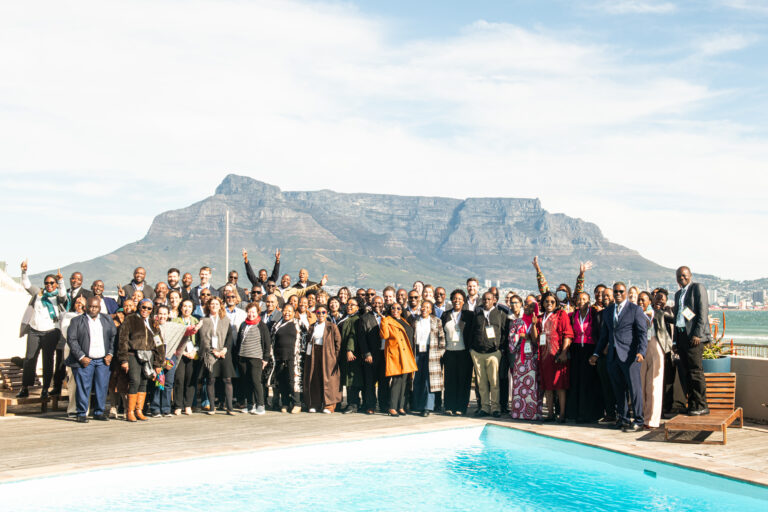
Access to safe drinking water for all is possible. But reaching people with clean water takes more than installing the right technology. PSI-SOM’s in-line chlorination project shows what becomes possible when we partner with community health workers, government partners, and local organizations to listen to the communities they serve. When health solutions are designed around people’s lives and not just their health risks, the results speak for themselves.