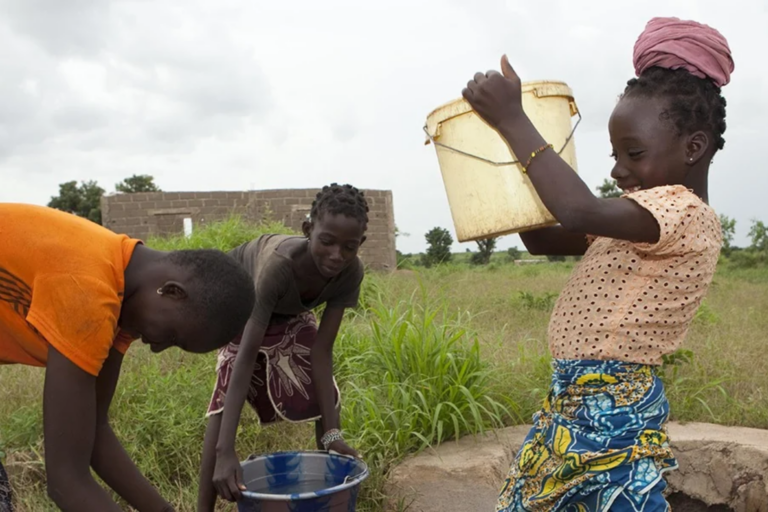
Before sunrise in Nduta community, Homa Bay County, Kenya, women and children would set out carrying jerrycans, walking to nearby boreholes or down to the Arujo River to collect water for drinking and other household needs. The river was a vital source of water, but its murky, untreated water exposed families to waterborne pathogens and the risk of cholera outbreaks.
The consequences extended far beyond health. Each outbreak brought hospital bills that strained already limited household budgets, while time spent caring for sick family members meant lost opportunities to earn an income. Unsafe water was not just a health challenge, it was also a barrier to families’ financial stability and well-being.
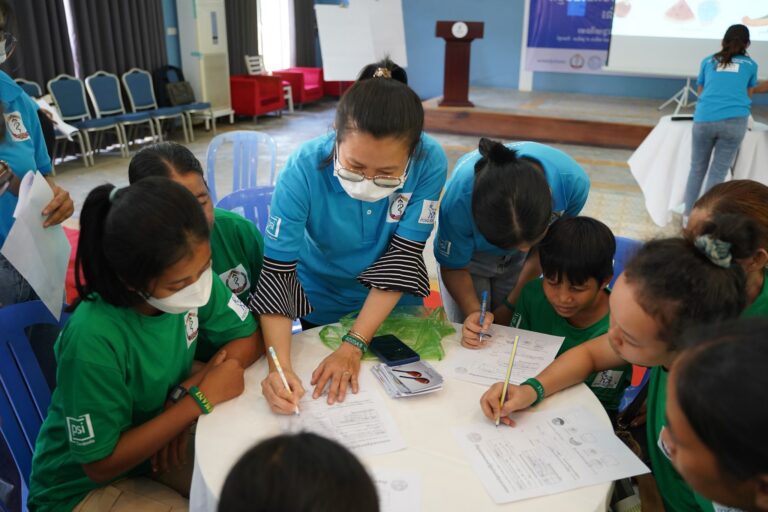
Change began when a team from Homa Bay County Water and Sanitation Company visited Nduta during a sales campaign under a PSI- and Xylem-funded project. Rather than arriving with a predetermined solution, the team listened to residents and learned what stood in their way: the cost of an individual water connection put it out of reach for many households. The team also identified an opportunity in existing infrastructure. A community water kiosk had fallen out of service. Restoring the kiosk offered a practical way to bring water closer to households without requiring every family to invest in an individual connection.
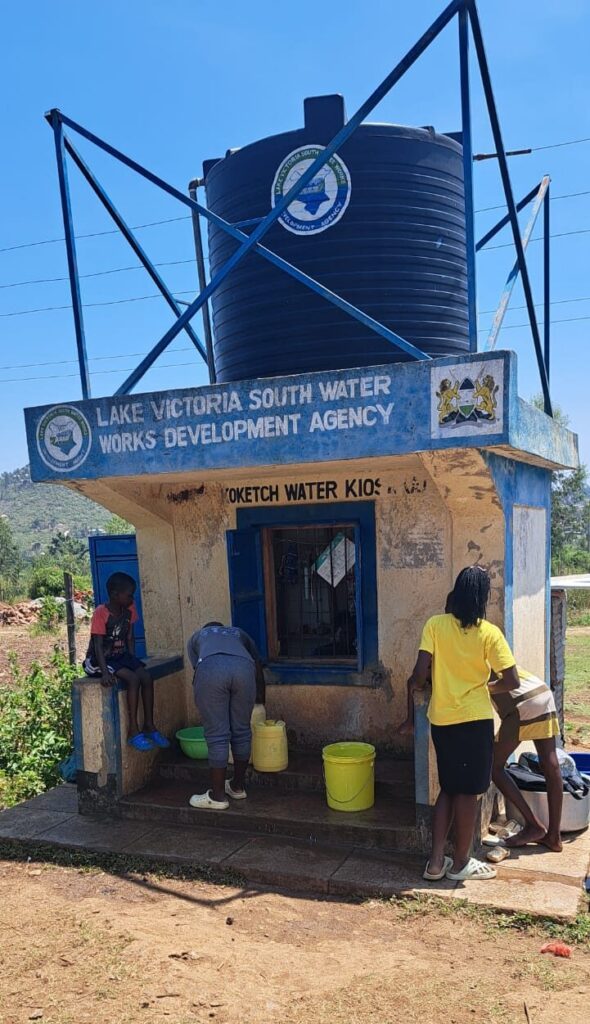
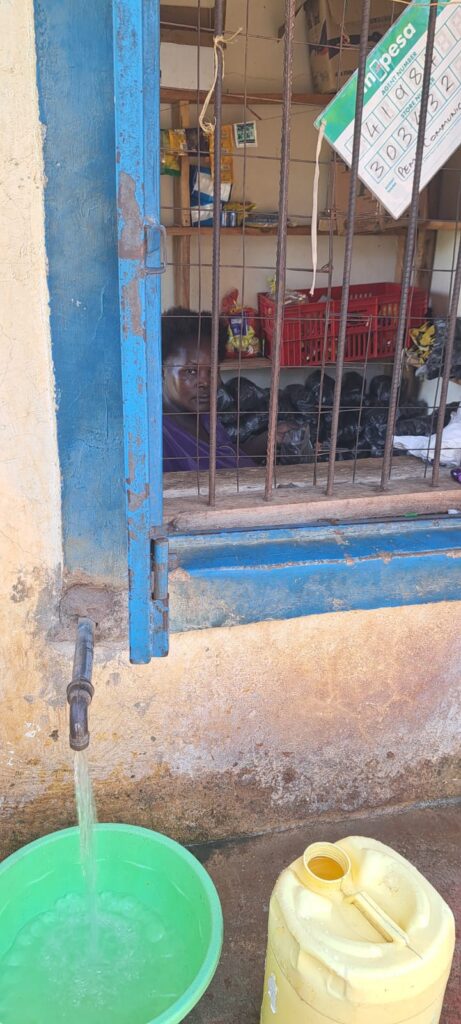
Once the kiosk was restored and the water was treated, the community selected one of its own, Zura Akinyi, to manage the facility. Homa Bay County Water and Sanitation Company trained Zura in record-keeping and site maintenance, equipping her with the skills to support reliable operations, maintain a positive customer experience, and encourage timely bill payments. The goal was not simply to get the water flowing again, but to help ensure the service could continue.
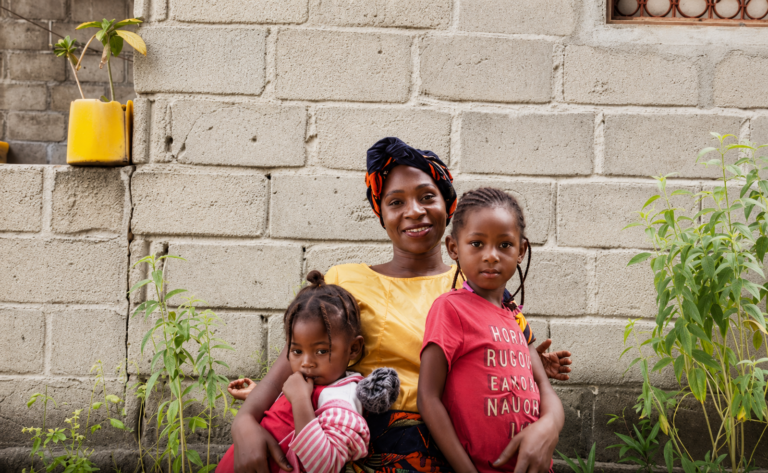
Today, the kiosk serves more than 40 households daily, bringing water closer to families and reducing the need to make long trips to the river. For residents, the restored kiosk represents more than convenient access: it offers a practical alternative to untreated water and a step toward reducing the health and financial burdens associated with waterborne disease.
“Cholera outbreaks used to be a constant burden on our families and our community. Now we’re able to access clean water, especially for the children, who bore the brunt of it. I’m grateful Homa Bay County Water and Sanitation Company worked with us to make this possible,” says Zura.
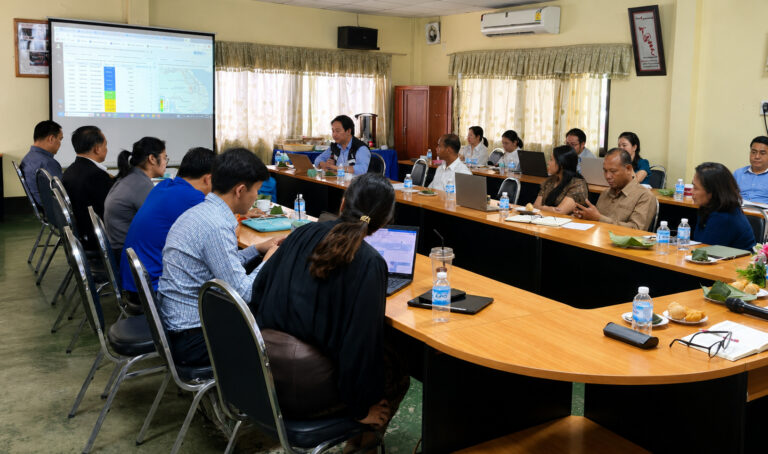
Nduta is one example of what can happen when water utilities listen to the people they serve and build solutions around their needs. Through its partnership with Xylem, PSI is strengthening the operational and technical capabilities of utilities like Homa Bay County Water and Sanitation Company to expand equitable access to water and sanitation while supporting long-term service sustainability.
One approach is demand-driven sales, which equips utility staff to understand customers’ needs, identify barriers to access, and offer solutions that respond to the realities of people’s lives. In Nduta, that meant recognizing that an individual connection was unaffordable for many families and restoring a community kiosk that could serve them instead.
The lesson also extends beyond one community: sustainable water access depends not only on infrastructure, but also on listening to customers, building local capacity, and making services work for the people who need them. By bringing these elements together, PSI and partners are working toward a future in which more communities can access and sustain the water services they need to thrive.