The fight against HIV has reached a pivotal moment. Scientific breakthroughs are creating new opportunities to prevent infection, but innovation alone is not enough. To change lives, these advances must be translated into prevention options that people can access, trust, and use in ways that fit their everyday realities.
For years, oral pre-exposure prophylaxis (PrEP) has been a powerful tool for preventing HIV. But daily oral PrEP comes with a condition: it only works when taken consistently. For many people, that is harder than it sounds. Busy lives, stigma, and limited access to care act as barriers to adherence and leave people unprotected.
Fortunately, there’s a new PrEP on the market that offers a transformative possibility and we’re working alongside our partners to get it to the people that need it most.
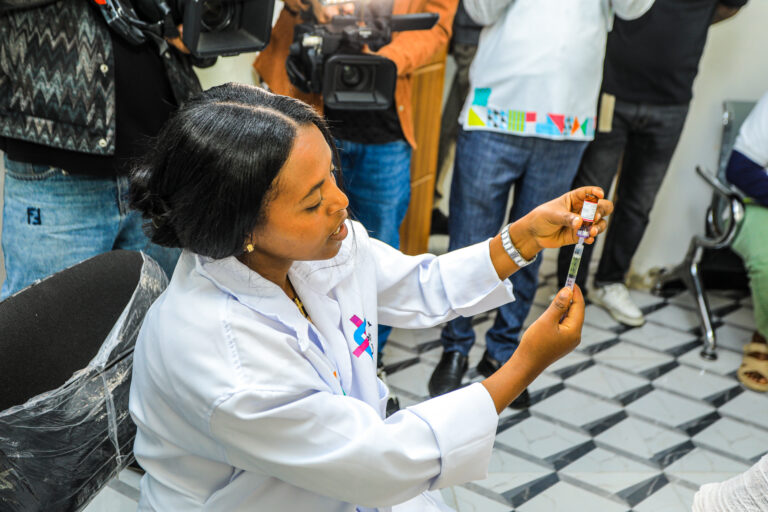
Lenacapavir (LEN) is an injectable form of PrEP that only needs to be taken twice a year. Administered every six months, LEN has the potential to transform HIV prevention by expanding choice, increasing privacy, and reducing the burden of daily pills.
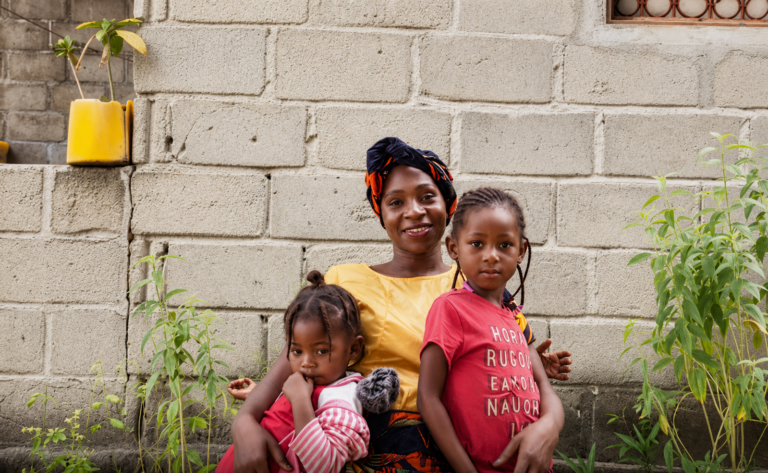
For one young woman in Eswatini, the country with the highest rate of HIV and also the first country to introduce LEN PrEP on the African continent, this option is not just a new product, it is protection that fits her life: “The reason why I opted for the injection is because I don’t usually have time to take the pill…With LEN PrEP, I carry my protection with me all the time and it protects me for a long time without worrying.”
Her story reflects a larger shift already underway. She is one of more than 51,000 people who chose LEN since décembre 1, 2025, through the support of PSI and our partners, gaining access to a prevention option that aligns with their needs and preferences.
We are working with governments across nine early adopter countries in Africa to translate this promising innovation into a practical prevention choice and lasting impact. Together, we are working to ensure that LEN moves beyond the promise of scientific innovation and becomes a practical, accessible prevention choice for the communities that need it most. By strengthening markets, preparing health systems, and building community demand, we are helping create a future where more people have the power to protect themselves from HIV.
Building the pathway from innovation to access
Making a new HIV prevention option available is only the first step, and innovation alone does not change health outcomes. The true measure of success is whether new prevention tools reach the people who need them most. By shaping markets and strengthening access, we can help turn scientific progress into lives protected and futures changed.
Together with our partners, we are helping governments lay the groundwork for successfully introducing LEN so it reaches the people who need it most. This means working side by side with national leaders to navigate approval processes, understand and plan for future demand, and ensure enough supplies are available. We also help countries plan how these interventions can be delivered through the places families already turn to for care—from public health facilities and community health workers to private clinics and pharmacies.
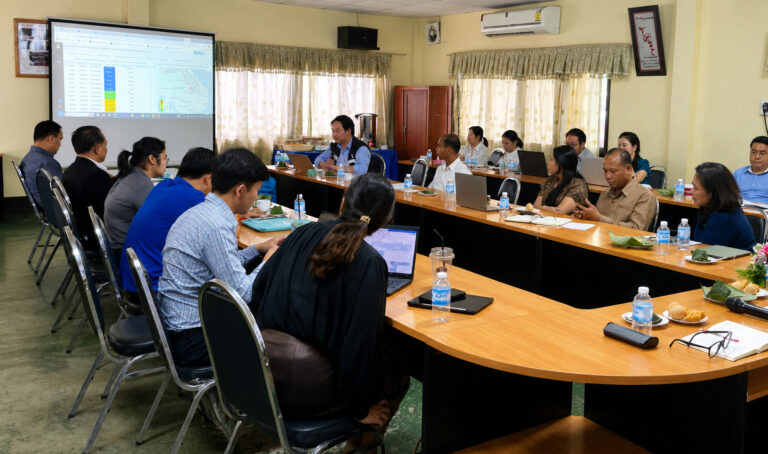
This work is especially critical now. Global supply is still limited, demand is evolving, and governments face consequential decisions about how to allocate LEN. We are helping countries build national introduction plans that align global guidance and product availability with local HIV prevention priorities, financing realities, and service delivery capacity.
We are also building toward what comes next. When more affordable generic versions of LEN are available starting in 2027, bringing the annual cost down to around $40, the countries we are working with today will be positioned to scale access sustainably and reach communities with a more affordable method for HIV prevention.
Expanding client-centered service delivery
A breakthrough prevention option only delivers impact when health systems are ready to provide it — safely, consistently, and at scale. Across all nine early adopter countries, PSI is working alongside Ministries of Health to make that happen: updating national guidelines, training providers, preparing facilities, and putting the monitoring systems in place to ensure LEN reaches people reliably and safely. The goal is to move from global guidance to ground-level delivery by embedding LEN into the routine health systems that people already use and trust.
Between hospitals, clinics, community health workers, and beyond, no matter how people access their health system, they should be able to access LEN. By expanding differentiated service delivery, LEN can be offered in ways that are more convenient, private, and responsive to people’s lives.
Starting in Zimbabwe, we are working to expand access to LEN in pharmacies. Pharmacies are more often geographically accessible, open for longer hours, and perceived as more private, less congested, and less stigmatizing than public facilities. Pharmacies can be one of the best health touchpoints for people who are unable or unwilling to seek HIV prevention through traditional health facilities. Through pharmacy-based PrEP delivery, we can reduce barriers to LEN initiation and make HIV prevention more accessible and sustainable.
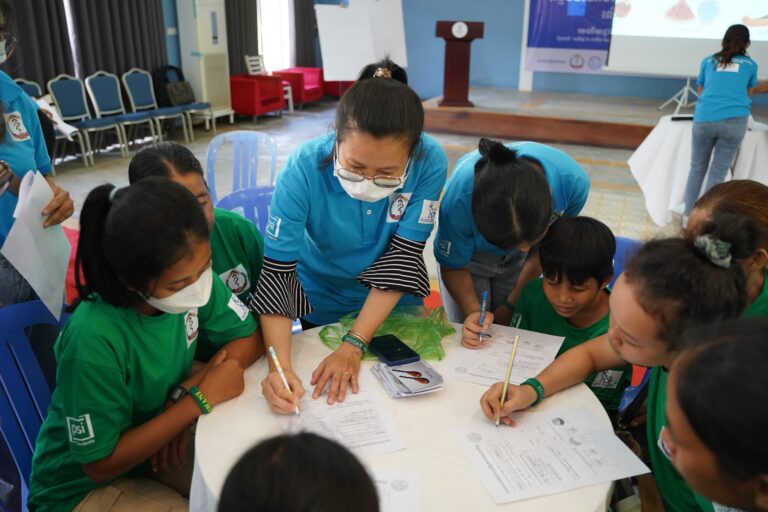
We are also helping health providers prepare for the next generation of HIV prevention. Through training and ongoing support, providers are building the skills and confidence to guide clients through their prevention options, deliver high-quality care, and respond to questions or concerns along the way. Just as importantly, they are learning how to create welcoming, respectful environments for people who may have previously avoided services because of stigma, judgment, or concerns about privacy. To date, more than 10,000 health providers have been trained, helping ensure that when new prevention tools become available, communities can access them from trusted and well-prepared providers.
Equally important are strong monitoring and safety systems. As countries introduce LEN, PSI is strengthening monitoring and pharmacovigilance systems to follow uptake, safety, stock, and outcomes across delivery channels to turn early implementation into actionable learning that can shape policy and drive scale-up.
Turning promise into choice
Strong health systems and reliable supply chains are essential, but new HIV prevention options can only make an impact if people know about them, trust them, and can access the information they need to make informed decisions. For many people, awareness of HIV prevention options remains limited, and navigating those choices can be challenging.
That is why PSI is investing in new ways to connect people with trusted, personalized support. Building on digital health coaching tools we introduced in South Africa and Zimbabwe, we are developing AI-enabled platforms that provide confidential guidance on HIV prevention, help people understand their options, assess their needs, and connect them to services and ongoing support.
In Mozambique, we are partnering with the Ministry of Health to introduce an AI-enabled PrEP Coach designed to accompany people in their health journey with accurate information, answers to questions, and helpful reminders. By combining digital tools with trusted community networks and healthcare providers, we are helping create a more responsive and accessible prevention experience—one that delivers the information, confidence, and support people need to take charge of their health.
Looking ahead
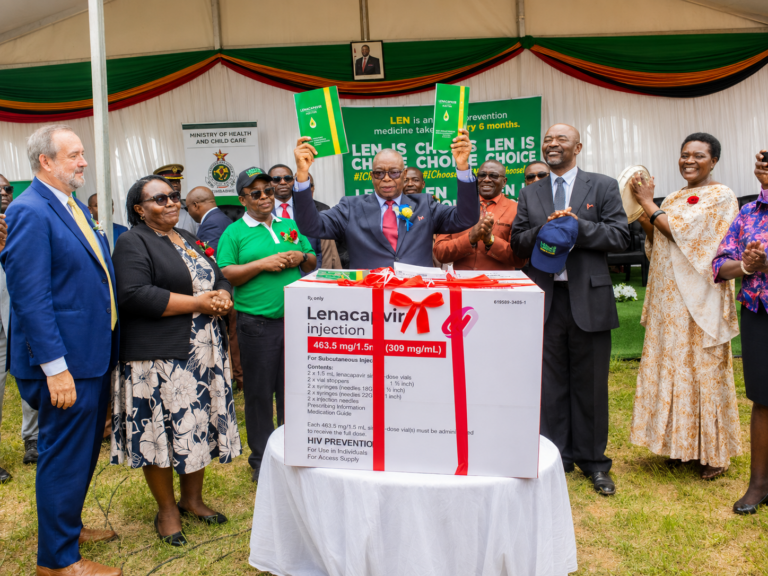
Eswatini is a powerful example of what is possible when market shaping, health system strengthening, and community engagement are intentional. As one of the first countries to launch LEN in 2025, Eswatini rapidly moved from introduction to delivery, supporting more than 3,200 people to initiate LEN across 30 locations in only four months.
That momentum is being replicated across nine countries, where governments, communities, and partners are working together to expand access to this new prevention option. As of July 2026, over 51,000 have chosen LEN across 887 health locations. All nine countries supported by PSI have secured regulatory approvals or waivers and all have updated national PrEP policies and guidelines to integrate the new intervention—an extraordinary achievement accomplished within just six months.
None of this happened in isolation. It took governments willing to move with urgency, technical partners with valuable expertise and support, funders invested in a bold vision, and health providers and community leaders that were ready to adapt. Together, they have laid the foundation for scale: over 1,038,902 forecasted LEN doses in 2026 from Global Fund and GHSD across 9 early adopter countries in 2026 alone.
But the most important measure of success is not the number of approvals secured, policies updated, or doses forecast. It is the growing number of people who now have access to an HIV prevention option that fits their lives.
This is what it takes to turn a breakthrough product into a practical, accessible choice. Through market shaping, health system strengthening, and community engagement, we can do more than put a new product on a shelf—we can support a generation of people with a prevention tool that works for their lives.