By Ankita Gambhir, Assistant Manager of Communications, and Suma Pathy, Chief of Party, Samagra, PSI
Hemlata’s son has liver damage – and she wants private sector care.
The catch: it’s pricey and Hemlata needs guidance on where to get government-funded subsidies for private health services.
Many individuals in India are in Hemlata’s shoes. In response, the government, in its efforts towards providing universal health coverage, is gradually weaving a social security net, including health insurance for the most vulnerable. India is also simultaneously digitizing its health and welfare systems to increase access to health services and financial support. As systems change, we are supporting people to work within them to access care for themselves and their loved ones.
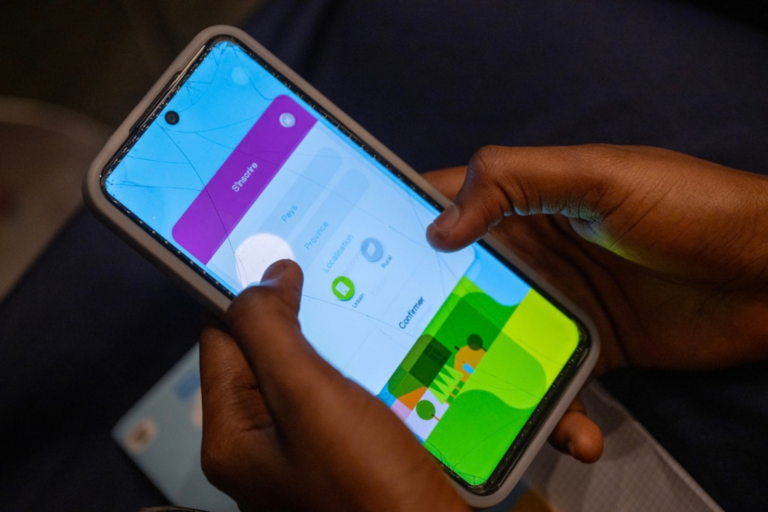
Through the USAID-funded project Samagra, PSI and Haqdarshak are building out digital health platforms to make it easier for people like Hemlata to access the tools and resources to get the care they need. In partnership with Haqdarshak, who offers a digital platform originally built to help rural populations navigate government support programs, we tailored the platform to fit the unique needs of marginalized urban populations – which are typically more diverse, have less permanent housing, and sometimes have less reliable social and family networks than their rural counterparts.
Women entrepreneurs lead the way
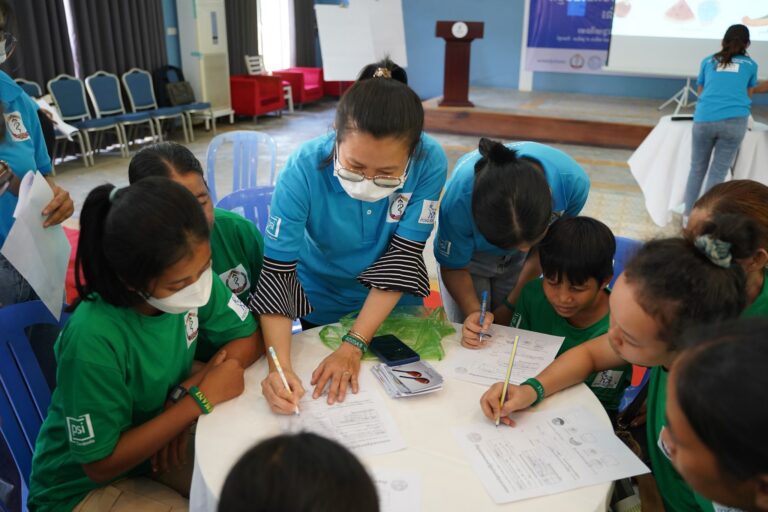
Living in Indore City, India, Hemlata met Seema, who is a “Haqdarshika” – a community-level entrepreneur for Haqdarshak. PSI and Haqdarshak identified and trained local women like Seema to act as digital facilitators for government services. The Haqdarshikas are deeply rooted in their communities; they’re the superwomen connecting people to relevant government support systems and supporting them to not just access but navigate their journey to care.
Curious about what happened with Hemlata and her son?
Here she is with a Haqdarshika – Seema!
Seema worked with Hemlata and her son to access an Ayushman Bharat ID, needed to access government funding for private care, and choose a health insurance that they were eligible for. After navigating this process together, Hemlata’s son received treatment for liver damage at a private hospital, free of cost.

Not only is her son healthier and happier, but with Seema’s support, Hemlata is powered to more easily navigate the health system and make health choices for her family in the future.
Impact and transformation
Haqdarshikas like Seema work across Indore city, India aiming to bridge the digital divide and bring crucial government support programs directly to people’s doorsteps, especially for women. Samagra’s Haqdarshak initiative in Indore City supported over 226.8K individuals, unlocking access to 315K government-funded health grants. As designed, 70 percent of these individuals were women. By making information and services accessible, Samagra is igniting a sense of independence and agency in marginalized communities. As we have learned from the Haqdarshak initiative, for digital innovations supporting women’s access to care, we need:
- A clear understanding of the target audience, their context and barriers to care to shape the goals of the intervention.
- Strategic partnerships at all levels of the health and government systems to effectively and sustainably implement the intervention.
- Both online and offline support with navigating digital platforms on smartphones to increase digital literacy for consumers and government actors.
Sustainable partnerships
In the realm of digital transformation, Samagra’s intervention in Indore City demonstrates technology’s role in advancing social justice. This partnership enhances welfare access, boosts transparency, and supports digital innovations like Health IDs and Ayushman Bharat digital platforms, breaking down health barriers. Moreover, the intervention’s impact extends beyond immediate outcomes. Through partnerships with local governments and healthcare institutions, Samagra lays the foundation for a sustainable future.
Want to know more about PSI and Haqdarshak initiative? – Click to watch a documentary “Haq ki Baat” on our YouTube channel.