By Zamzam Arale Hassan, Research, Learning & Documentation Specialist, Eden Issak, Senior M&E Specialist, Abdiwahit Jama, Senior community Health Specialist, PSI SOM
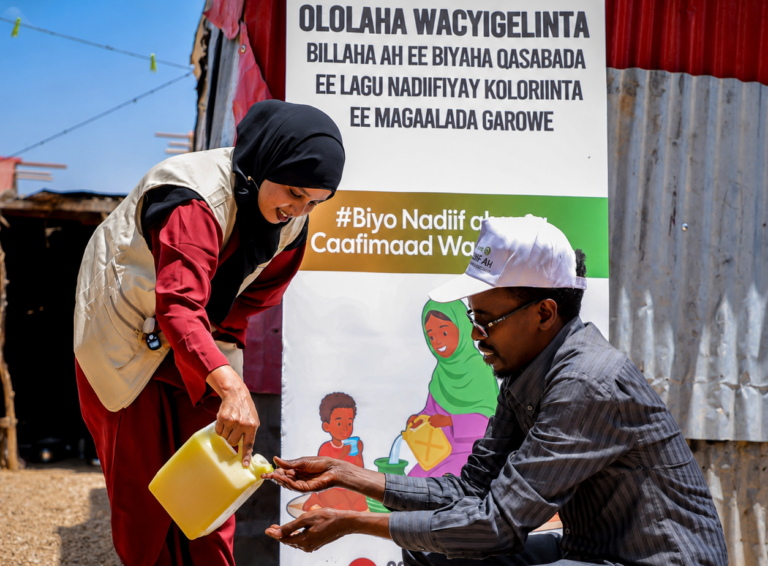
In Somalia, the Marwo Caafimaad Program has emerged as a promising initiative, transforming community health while also strengthening the country’s health systems. Over the past year, this initiative has equipped female health workers with the training, resources, and ongoing support to deliver essential healthcare services directly to the homes of those in need. This holistic approach ensures that healthcare is not only accessible and affordable but also deeply attuned to the specific needs of each community.

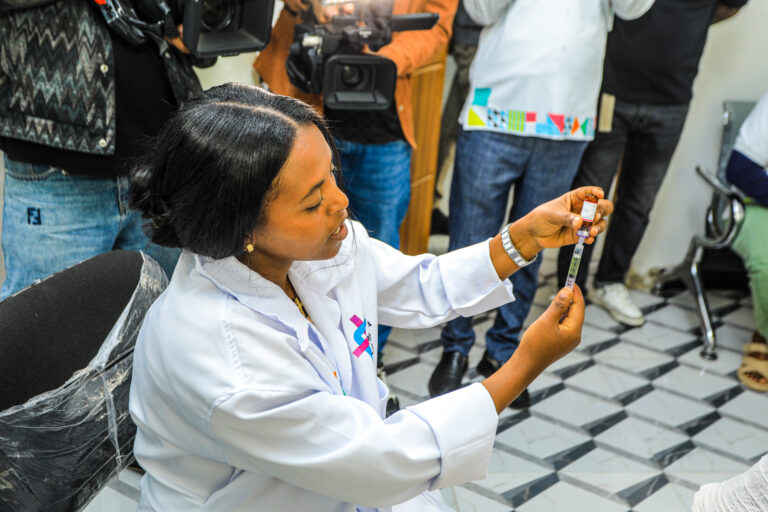
The program’s impact is vividly illustrated through the story of Hidaya, a female health worker in the heart of Hamar Bile Village, Warta Nabada district of Mogadishu. Hidaya’s unwavering commitment to her community and the Marwo Caafimaad Program’s support have led to transformative outcomes, particularly in the case of Ali Dahir, a 10-year-old boy suffering from a severe skin disease on his scalp.
During one of her routine visits, Hidaya encountered Ali, whose condition had left him in daily pain and discomfort. With her keen observational skills, empathy, and the training provided by the program, Hidaya took immediate action. She referred Ali to a health facility for comprehensive treatment, diligently cleaned his wounds with antiseptic, and ensured he adhered to a prescribed regimen of antibiotics and painkillers.
Hidaya’s care extended beyond medical intervention; she became a pillar of support for Ali and his family. Understanding the importance of holistic care, she went the extra mile by purchasing anti-dandruff shampoo to maintain Ali’s hygiene and closely monitored his recovery process. Her dedication not only alleviated Ali’s suffering but also brought relief to his family, who were spared the burden of travel and hospital expenses.
Ali’s father noted, “My child experienced daily pain and discomfort. Now, thanks to Allah and the efforts of Hidaya, my child has fully recovered and is healthy. The Marwo Caafimaad program and Hidaya have alleviated this burden.”
This story underscores the Marwo Caafimaad Program’s role in strengthening health systems in several critical ways. By building the capacity of female health workers like Hidaya, the program enhances the overall quality and effectiveness of healthcare delivery. The decentralized model of bringing healthcare services directly to communities—particularly in remote and underserved areas—addresses significant gaps in access and equity, ensuring that even the most vulnerable populations receive the care they need.
Moreover, by reducing financial barriers and providing care within the community, the program prevents families from facing catastrophic health expenditures, thereby contributing to the sustainability of the healthcare system. The strong referral system, as demonstrated by Ali’s case, ensures that patients receive appropriate levels of care, optimizing healthcare resources and improving patient outcomes.