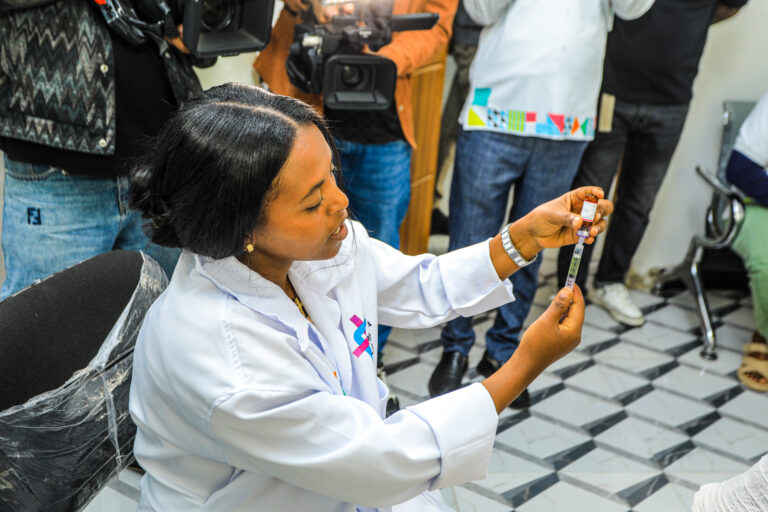
Since 2020, Delivering Innovation in Self-Care (DISC) has asked women what they want when it comes to sexual and reproductive healthcare (SRH). The answer – they want contraception that is right for their bodies, lives, and futures, they want providers who can inform them of their SRH choices, and they want woman-powered care.

That is why DISC has committed to expanding the method mix of contraceptives available to women in Malawi, Nigeria, and Uganda, starting with DMPA sub-cutaneous, self-injectable (SI) contraception – a self-care contraceptive that women can take on their terms.
In April 2021, a client in Uganda was part of the first DISC-facilitated SI visit. Today, DISC has supported over 1 million SI visits throughout Malawi, Nigeria, and Uganda.
An SI visit is when a client takes units of DMPA-SC home for self-inject or opts to self-inject at the health facility. Clients who use SI need to inject every three months and can be prescribed up to three injections at a time. With this self-care contraception, women can take fewer trips to the health facility and practice self-care when and where they choose.
Since the beginning, our approach revolves around engaging users, providers, and health systems with the information and technical support needed to create a frictionless SI journey. Over 1 million SI visits later, here is what we’ve learned:
- Reaching users starts with listening and learning – DISC conducted formative research with both ‘early adopters’ of SI as well as providers who had experience with teaching women how to use it. Among other insights, what became clear is that it’s common for first-time users to be afraid of injecting themselves; and they are held back by low self-efficacy. As for providers, many of them were open about doubting women’s ability to self-inject, and the need for higher-quality training for providers to help overcome biases became clear. Based on these (and many other) learnings, we designed an empathy-based training curriculum for providers.

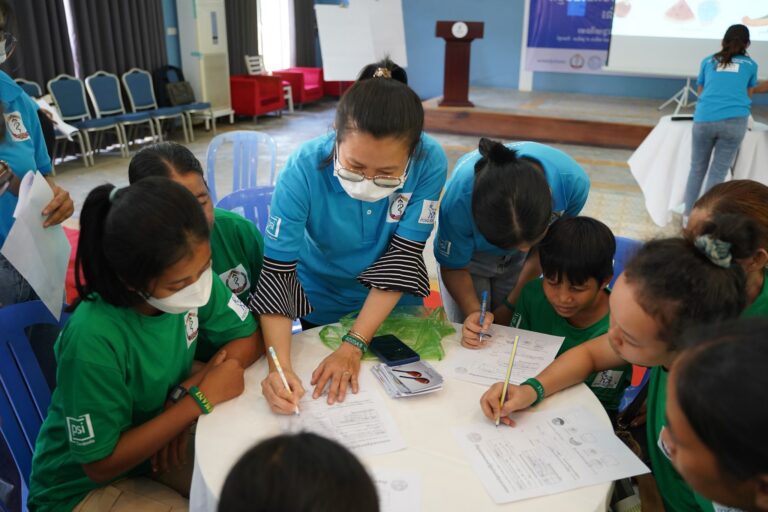
- If we help providers lead with empathy, they can lead users through self-care –Self-care requires providers to go beyond service provision and to lead with empathy – focusing on contraceptive counseling and supporting individuals to take care into their own hands. To build capacity for self-care, DISC designed and implemented an empathy training curriculum to help providers engage clients with patience and guidance on how to overcome common barriers to SI. For example, many women fear needles and the training curriculum guides providers through the process of getting users comfortable with SI. The empathy-based training also addresses provider biases against self-care methods and helps establish trust between providers and their clients. By building provider capacity for empathy, we support care that better meets women’s needs.
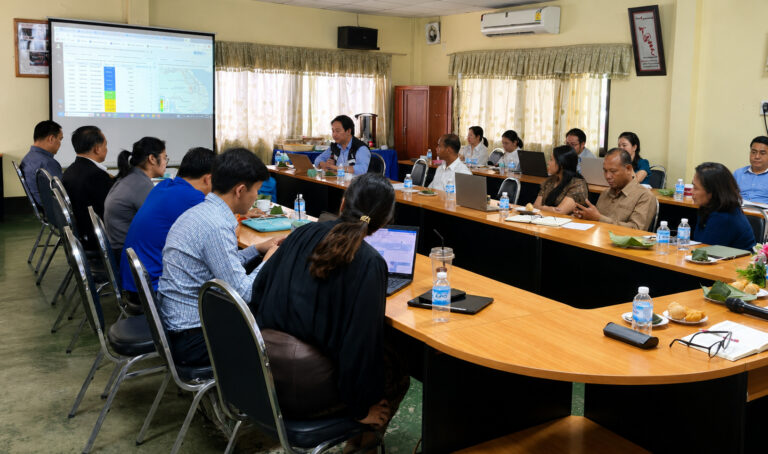
- To make self-care sustainable, we must strengthen health systems – Scaling self-care contraception goes beyond user education and provider capacity building. DISC has also built strategic partnerships throughout health systems to strengthen supply chain management and data reporting around SI. We engage public health officials to facilitate data-driven health supply distribution, and we support health facilities to track and report self-inject visits over time. By strengthening the health system through supply chain management and data reporting, we can ensure that contraceptive self-care is here to stay.
As we reflect on learnings from delivering over 1 million SI visits alongside our consortium partners, we are also looking forward. We will continue to support user education, provider capacity, and health system strengthening to elevate contraceptive self-care and better meet women’s SRH needs. Here’s to reaching millions more women with the option of self-injection.
Interested in learning more? Support woman-powered care here.