When Soyun’s infant daughter was diagnosed with type 1 diabetes, managing the condition consumed every moment of daily life.
“Since she was one year old, we did everything for her,” Soyun recalled. “We managed her meals and playtime, made sure she slept enough, checked her blood sugar, and gave her insulin.”
But beyond the daily routines, Soyun worried about her daughter’s future — whether she would be able to grow up healthy, independent, and confident while living with a chronic condition.
In Cambodia, families living with type 1 diabetes often face significant challenges accessing care. Specialized diabetes services are mostly concentrated in Phnom Penh or private clinics, forcing many families to travel long distances for treatment and shoulder high out-of-pocket costs. Limited awareness of type 1 diabetes can also delay diagnosis and make long-term management more difficult for children and caregivers.
Type 1 diabetes is a lifelong condition in which the body cannot produce insulin. Managing it safely requires regular blood sugar monitoring, ongoing care from a health provider, and access to foods that support a stable life with the disease. Without this regular treatment and monitoring, the disease can lead to serious complications and early death. Yet for many children in low- and middle-income countries, that level of care remains out of reach. To help close these gaps, Novo Nordisk expanded its Changing Diabetes® in Children (CDiC) program to Cambodia in partnership with PSI Cambodia and the Ministry of Health. Since 2023, the program has worked with 14 hospitals across 11 provinces to strengthen access to care for children and young people living with type 1 diabetes.
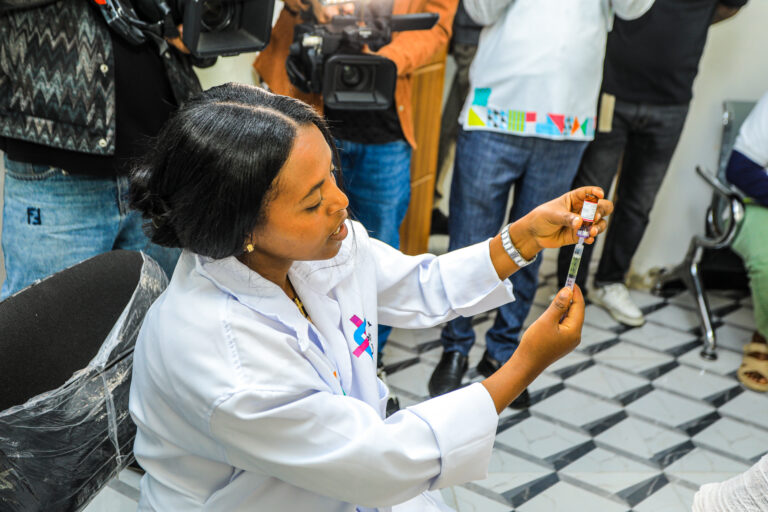
The initiative brings care closer to families. Through CDiC, diabetes clinics at referral and provincial hospitals across Cambodia were refurbished to create more welcoming treatment spaces and improve access to essential supplies, including insulin, syringes, glucometers, and test strips. More than 1,000 children and youth up to age 25 now receive free life-saving diabetes medicine and supplies through partner hospitals.
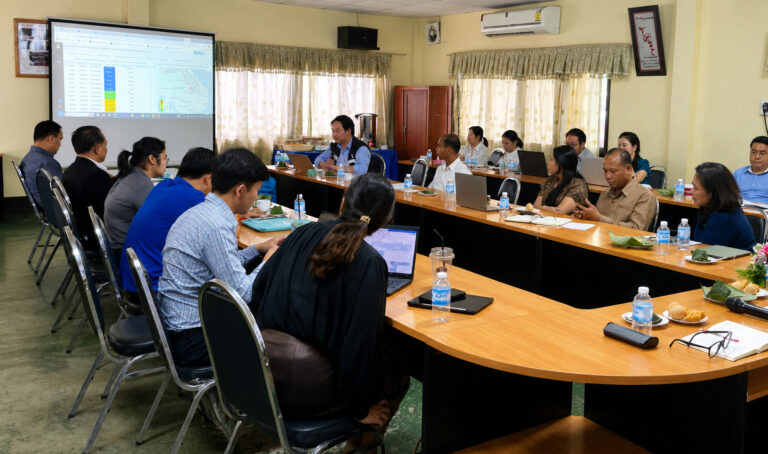
At the same time, PSI Cambodia and the Ministry of Health have strengthened the capacity of healthcare workers to provide quality diabetes care. Doctors and nurses from all partner hospitals received skills reinforcement training on pediatric diabetes diagnosis, treatment, emergency management, and patient support, helping improve both clinical care and patient engagement.
Improved access to supplies and quality clinical care was a start. But diabetes is a disease managed at home, and families also need support beyond the clinic walls.
Over time, Soyun gradually taught her daughter how to administer insulin independently. By age seven, her daughter had started managing parts of her care herself. Still, Soyun knew that medical treatment alone was not enough.
“As a caregiver, knowing how to give insulin is only part of it,” she explained. “We also needed to understand nutrition and recognize warning signs when blood sugar becomes too high or too low.”
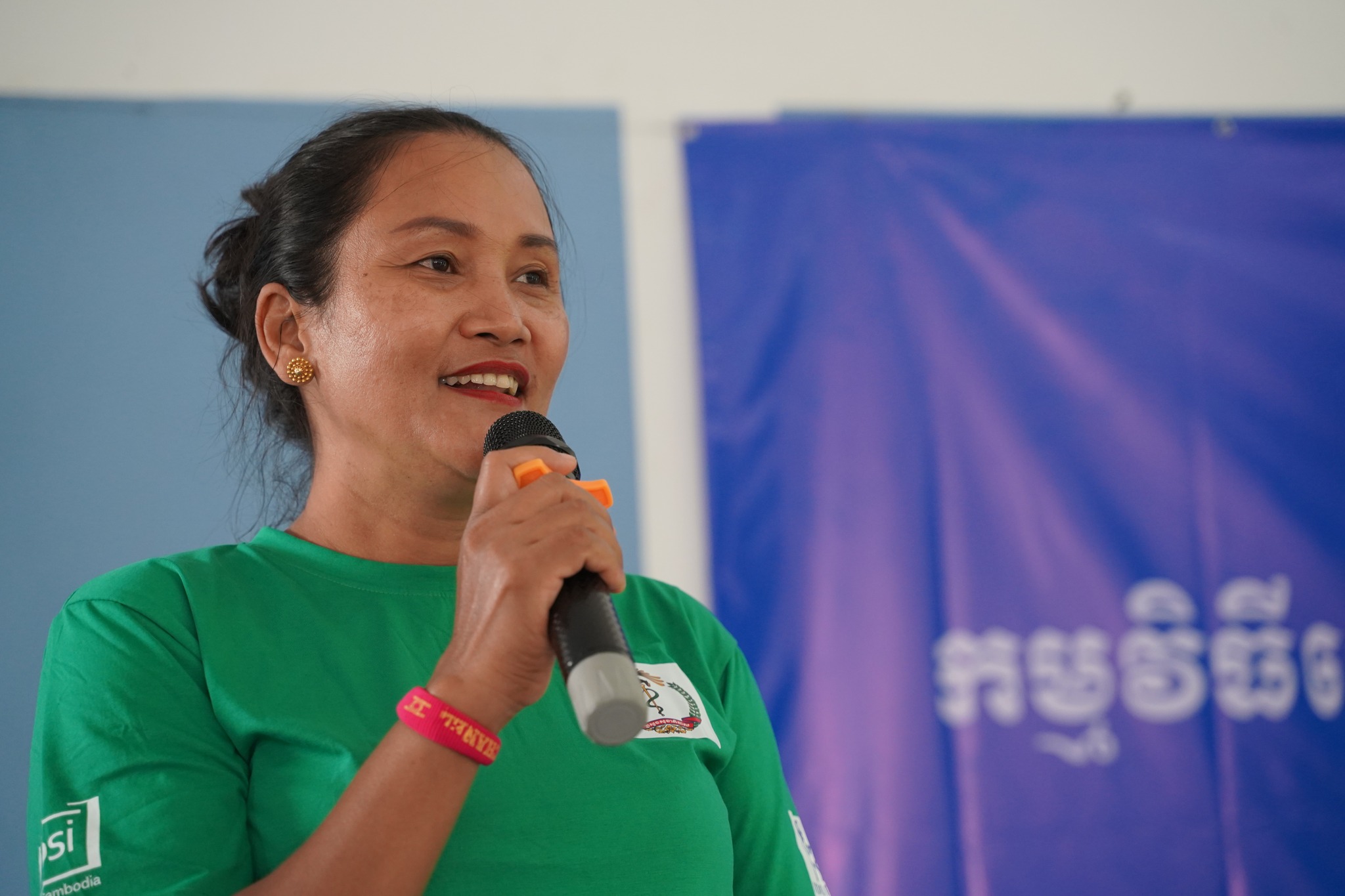
To strengthen families’ confidence in managing diabetes at home, PSI Cambodia supports patient education sessions led by trained doctors and nurses. Through these sessions, children and caregivers learn practical skills for daily diabetes management, healthy living, and recognizing emergency warning signs. In 2025 alone, the sessions reached more than 2,300 children, youth, and caregivers.
Community awareness activities are also helping families feel less isolated. Across 10 provinces, trained nurses lead awareness sessions focused on recognizing diabetes symptoms, understanding low (hypoglycemia) and high (hyperglycemia) blood sugar, and encouraging early screening.
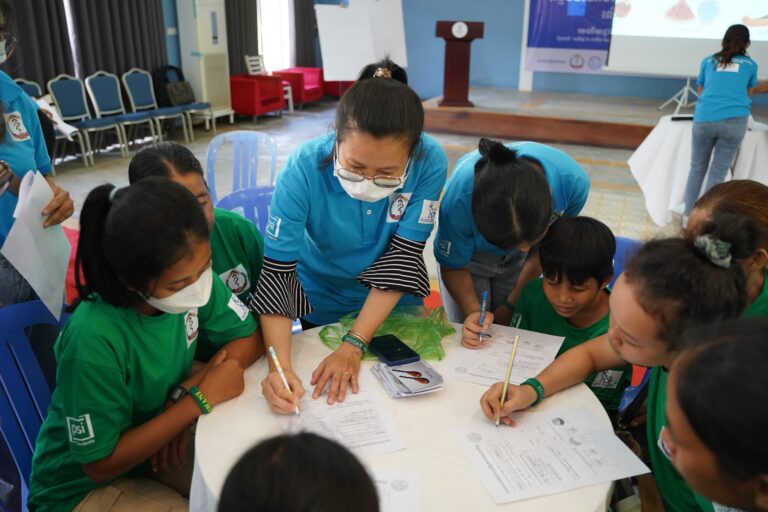
One of the program’s most meaningful activities is the annual Type 1 Diabetes Camp, which brings together children, young people, and families living with type 1 diabetes from across Cambodia. For many participants, the camp is the first time they meet others navigating the same condition.
The camp combines practical education with peer support, helping participants build skills related to nutrition, healthy living, and daily diabetes management while creating a supportive environment where children and families can learn from one another.
For Soyun’s daughter, now 18 years old, the experience was transformative.
“Sometimes when parents repeat the same advice, kids get tired of hearing it,” Soyun said. “But at the camp, she heard other people’s experiences, and it inspired positive changes.”
Hearing from adults living healthy, successful lives with type 1 diabetes gave many young participants greater confidence about their own futures — including the possibility of continuing school, pursuing careers, and building families of their own.
Cambodia’s efforts to strengthen type 1 diabetes care demonstrate how expanding access to treatment, education, and peer support can improve quality of life for children and families living with chronic disease. Together with government and hospital partners, PSI Cambodia continues working toward a future where all children living with type 1 diabetes can access the care and support they need to live healthy, fulfilling lives.
Learn more in our 2025 annual report.